
Best Ways to Introduce Yourself to New Neighbors
Published on: November 23, 2026 | Last Updated: November 23, 2026
Written By: Brandon Chatham
The best way to introduce yourself to new neighbors is to keep it simple, friendly, and low-pressure by briefly stopping by their home with a small, welcoming gesture. A quick hello and a warm smile go a long way in making a positive first impression without taking up too of their time.
You might wonder what you should bring with you when you stop by. The goal is a kind gesture, not a grand production. A small potted plant, a batch of homemade cookies, or a card with your contact information are all excellent and thoughtful options. These items are universally appreciated and show you’re considerate.
Making that initial connection is just the first step in building a great neighborly relationship. This guide covers everything from perfecting your approach to handling awkward moments gracefully. You will learn creative ideas for introductions, what to absolutely avoid saying, and how to turn a simple hello into lasting community ties.
Mastering the Art of the First Greeting
Your first greeting sets the stage for a positive relationship in your HOA community. Start with a genuine smile and a clear, friendly tone to make your new neighbor feel welcomed and valued.
Keep your body language open and approachable by facing them directly and using eye contact. This simple gesture shows respect and helps build immediate trust between you.
Offer a brief handshake if it feels natural, but always be mindful of personal space preferences. Respecting boundaries from the start prevents any unintended discomfort during your introduction.
- Speak clearly and use their name if you know it to personalize the interaction.
- Keep the initial chat short and focused on making a warm connection.
- Avoid discussing HOA rules or complaints right away to keep the mood light.
Choosing the Right Moment for Your Introduction
Timing your introduction well can make a big difference in how it’s received. Look for moments when your neighbor appears relaxed, like on a weekend afternoon or while they’re gardening.
Steer clear of busy times such as early mornings before work or late evenings when families are settling down. Choosing a calm window shows consideration for their schedule and daily routine.
In HOA neighborhoods, community events or casual gatherings are perfect opportunities to meet. These settings often make introductions feel more natural and less intrusive for everyone involved. Additionally, HOA meetings come in different types, such as board meetings, annual meetings, and committee meetings, each with its own format and purpose. Understanding these types can help residents participate more effectively.
- Wait until after major moving chaos has subsided to avoid adding stress.
- Observe if they’re outside enjoying their yard or taking a walk.
- Coordinate with mild weather days to ensure a comfortable conversation.
Effective Icebreakers and Conversation Starters

Kick off your chat with easy, open-ended questions that invite a friendly response. Asking about their move or first impressions of the area helps them share without pressure.
Mention shared HOA amenities like the pool, park, or clubhouse to find common ground. This approach ties your conversation to community life and can lead to future interactions.
Steer the talk toward positive topics and avoid diving into complex HOA guidelines immediately. Keeping the exchange upbeat encourages a lasting connection and mutual respect, which is essential when communicating within an HOA.
- “How are you liking the neighborhood so far? I’d love to point out some local favorites.”
- “Have you had a chance to explore the community trails or playground yet?”
- “If you need any tips on trash pickup days or recycling rules, I’m happy to help.”
The Role of Welcome Gifts in Neighborly Introductions
A thoughtful gift can be the perfect icebreaker when meeting new neighbors. The best welcome gifts are simple, universally appreciated, and show you’ve put in a small amount of considerate effort. They open the door for a friendly chat without creating pressure for an immediate, lengthy visit.
Focus on items that are easy to receive and don’t require a major commitment from your new neighbor. Homemade treats, like cookies or jam, often feel more personal than a store-bought item. Just be sure to include a note with ingredients to account for any allergies or dietary restrictions you may not be aware of.
- A small, low-maintenance houseplant like a succulent.
- A local food specialty, such as honey from a nearby farm or coffee from a neighborhood roaster.
- A list of your favorite local services (plumber, vet, landscaper) and restaurants.
- A bottle of wine or sparkling cider with a simple note.
Always check your HOA’s rules before planning your gift. Some communities have specific guidelines about door-to-door solicitation or leaving items at a doorstep, which could technically include a gift drop-off. A quick review of the covenants can prevent an innocent gesture from becoming a minor violation.
Navigating Different Neighborhood Dynamics
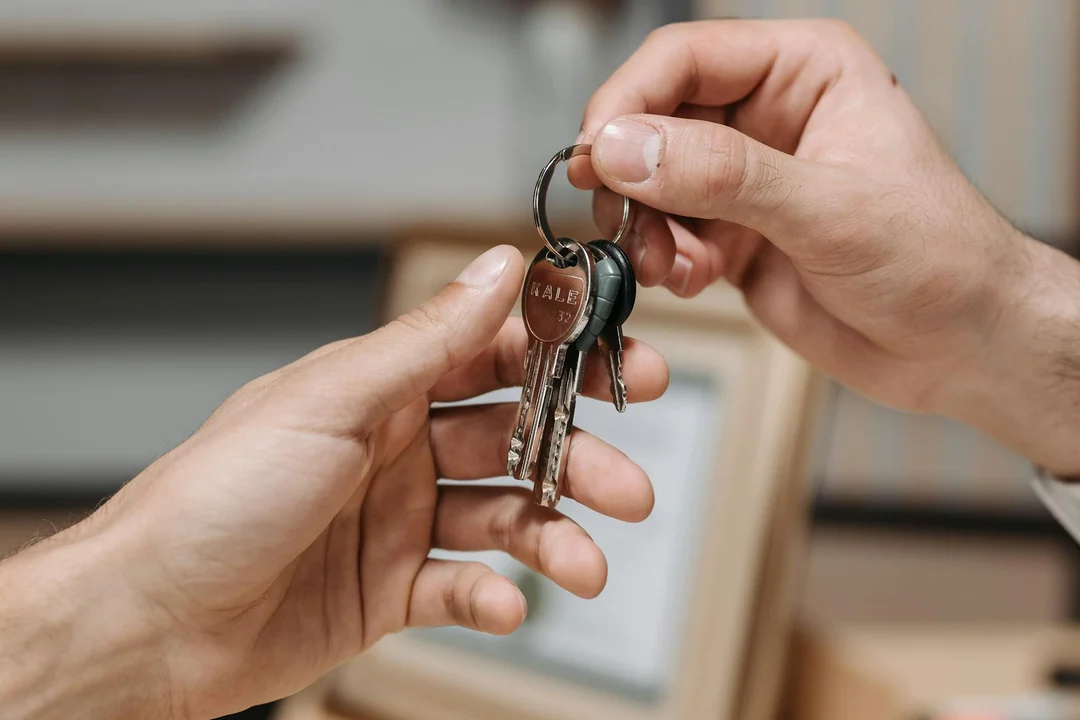
Every community has its own unique rhythm and social expectations. Paying close attention to the existing neighborhood culture will help you choose the right approach for your introduction. What works in a quiet, suburban cul-de-sac may not be suitable for a bustling urban high-rise.
Introducing Yourself in Multi-Unit Complexes
Living in a condo or apartment building presents a different set of social challenges. In multi-unit buildings, brief, hallway or lobby encounters are often more effective and less intrusive than knocking on a door unannounced. Your goal is to be recognizable and friendly, not to force a long conversation in a shared corridor.
Take advantage of common areas to make a connection naturally. Striking up a casual conversation while collecting mail or waiting for the elevator can be the perfect low-pressure introduction. This approach feels more organic and respects the private, compact nature of multi-unit living.
- Introduce yourself to immediate neighbors on your floor first.
- Keep initial interactions short and sweet-just a quick hello and a welcome.
- Mention your unit number so they can place you.
- Be mindful of noise levels in shared hallways during early mornings or late evenings.
Adapting to Cultural or Language Differences
Your neighborhood is a wonderful tapestry of different backgrounds. A warm smile and friendly body language are universal signs of welcome that transcend any language barrier. Even a simple, translated “hello” can show you are making an effort to connect.
Focus on shared experiences related to your home and community. Gesturing towards a well-kept garden or a shared amenity like the pool can be a great starting point for a non-verbal connection. These common grounds provide a foundation for friendship without relying solely on complex conversation.
- Learn a simple greeting in your neighbor’s native language.
- Use a translation app on your phone to facilitate basic communication.
- Offer a gesture of welcome, like a small gift, which can convey your intent clearly.
- Be patient and speak clearly without raising your voice.
Embrace the opportunity to learn. Showing genuine curiosity about your neighbor’s culture and traditions can build a strong, respectful relationship over time. Your willingness to understand and adapt is the most powerful welcome gift of all.
Following Up and Building Lasting Connections
Making a great first impression is just the start; consistent follow-up turns a friendly hello into a trusted neighbor relationship. Schedule a brief check-in a few days after your initial meeting to show you genuinely care about connecting.
Simple and Effective Follow-Up Strategies
Choose methods that feel natural and fit your schedule to avoid feeling overwhelmed.
- Send a quick text or email mentioning something you discussed, like a shared interest in gardening.
- Drop off a small, welcome treat such as homemade cookies or a local plant.
- Invite them for a casual walk around the neighborhood or a coffee on your porch.
Personalize your approach based on your first conversation to make neighbors feel remembered and valued. This can be particularly useful when applying best practices outlined in The HOA Board’s Role in Welcoming New Residents.
Turning Acquaintances into Friends
Building lasting bonds involves regular, low-pressure interactions that build trust over weeks and months.
- Offer to swap contact numbers for emergencies or pet sitting.
- Start a neighborhood group chat for sharing updates or organizing small gatherings.
- Plan seasonal activities, like a block party or holiday decorating, to include multiple households.
Consistent, kind gestures help create a supportive network where everyone looks out for each other.
In HOA communities, these efforts align with fostering a cooperative spirit that benefits the entire neighborhood. Strong neighbor ties often lead to smoother HOA interactions and collaborative problem-solving.
Leveraging HOA Resources for Community Integration
Your homeowners association offers built-in tools to help you meet people and feel at home faster. Start by exploring the HOA’s official communication channels to stay informed and get involved. If apathy is holding you back, commit to one small action this week—attend a meeting, introduce yourself, or join a committee. Your participation can boost homeowner engagement and foster a more active HOA community.
Key HOA Resources to Connect You
Many associations provide accessible options designed to bring residents together seamlessly.
- Attend monthly HOA meetings to introduce yourself and learn about community priorities.
- Join social committees or volunteer groups focused on events like picnics or clean-ups.
- Use online member directories or portals to find neighbors with similar hobbies or backgrounds.
Active participation in HOA activities positions you as an engaged member who cares about the neighborhood’s well-being. It also clarifies that members have rights and responsibilities—voting on issues, following rules, and meeting financial obligations to support the community.
Practical Steps to Maximize HOA Benefits
Integrating through association resources can simplify your transition and expand your social circle.
- Review HOA newsletters or websites for upcoming events and contact information.
- Reach out to board members or welcome committees for guidance on community norms.
- Participate in rule-making discussions to understand guidelines and build rapport.
Engaging with HOA structures not only helps you fit in but also empowers you to contribute meaningfully to your community. Curious about the benefits of joining your HOA board? It can give you a voice in budgets, rules, and programs that shape daily life.
These approaches reduce the stress of meeting new people by providing organized, low-pressure opportunities. Leveraging HOA resources turns the challenge of integration into an enjoyable, structured process, especially when combined with effective management tools.
FAQs
How can I introduce myself to a busy or shy neighbor?
Opt for a low-key approach, such as a brief wave or leaving a friendly note with your contact information. Respecting their comfort level by keeping interactions short and non-intrusive helps build trust over time.
What topics should I avoid when meeting a neighbor for the first time?
Avoid discussing personal finances, politics, or any negative opinions about the HOA or other neighbors. As you prepare for your first HOA meeting, keep this approach in mind. Sticking to light, positive subjects ensures the conversation remains welcoming and avoids potential discomfort.
How can I make a quick but friendly introduction on moving day?
Offer a cheerful, brief greeting and a small, practical item like a bottle of water or a snack to show support. Focus on being helpful without lingering, as this respects their busy schedule and immediate needs.
What are polite ways to acknowledge a neighbor’s boundaries?
Pay attention to verbal and non-verbal cues, such as if they seem hurried or prefer minimal interaction, and adjust your approach accordingly. Using phrases like “Let me know if you ever have time to chat” demonstrates consideration for their personal space.
Final Thoughts on Neighborhood Introductions
Begin with a friendly, personal approach to make new neighbors feel welcomed and valued. Consistently aligning your actions with HOA guidelines helps prevent misunderstandings and fosters a harmonious community environment. For buyers in new construction communities, understanding HOA rules is essential. Our buyers guide walks you through common restrictions and how to plan accordingly.
Further Reading & Sources
- r/FirstTimeHomeBuyer on Reddit: How do you introduce yourself to the neighbors
- How to introduce yourself to neighbours
- Just Moved In? Here’s How to Introduce Yourself to New Neighbors
- Top 5 Tips To Getting To Know Your Neighbours – Do Something Good
Brandon has been on both ends of HOA, as part of it, he has helped build his community in Oregon, while also helping other homeowners deal with typical and atypical issues one might face. He has 8+ years of experience dealing with HOAs himself and on behalf of his friends and family, and he brings his extensive expertise and knowledge to make your HOA interaction seamless and smooth.
Meetings and Communication