
How to Handle Problems with a Neighbor’s Pet
Published on: November 14, 2026 | Last Updated: November 14, 2026
Written By: Brandon Chatham
If your neighbor’s pet is causing issues, begin by having a polite and calm conversation with your neighbor. Open and respectful communication is the most effective first step to resolve pet-related conflicts without damaging your relationship.
What if talking to your neighbor doesn’t solve the problem? You have several other avenues to explore. Keeping a record of incidents and understanding your local ordinances provides a solid foundation for escalating the issue appropriately if needed.
This guide walks you through practical steps and alternatives for common pet problems. You’ll find detailed advice on everything from navigating tricky conversations to knowing when and how to involve your HOA or local authorities.
Start By Understanding Your HOA’s Pet Rules
Before you do anything else, get a copy of your HOA’s official governing documents, particularly the Covenants, Conditions, and Restrictions (CC&Rs) and any dedicated pet policy addendums. These documents are your rulebook, spelling out exactly what is and isn’t allowed concerning pets in your community. Look for specific clauses about noise, leash requirements, waste cleanup, and the number of pets allowed per unit. Knowing the rules gives you a factual foundation for any discussion or complaint. Some HOAs have a range of rules and regulations that you’ll have to follow.
Many associations have clear guidelines on acceptable noise levels and the times when quiet is especially enforced. Understanding these specifics helps you determine if your neighbor is genuinely violating a rule or simply testing a general courtesy. This distinction is critical for how you proceed, whether through a friendly chat or a formal report to the HOA board. When you handle it, try to address your neighbor politely — start with a calm, respectful chat about how the noise affects you. A courteous, constructive approach often leads to quicker, agreeable resolutions without escalating the issue.
Document the Pet Problem Systematically
Emotions run high when you’re dealing with a persistent nuisance, but cold, hard facts win the day. Keeping a detailed, objective log transforms your frustration into a credible record that the HOA board must take seriously. A pattern of incidents is far more compelling than a single, angry anecdote.
- Step 1: Record dates, times, and duration of each incident (e.g., barking, trespass).
- Step 2: Note the specific nature of the disturbance (noise, property damage, safety concern).
- Step 3: Collect evidence like videos, photos, or witness contacts.
- Step 4: Organize all documents and records in one file.
A short video clip of a dog barking incessantly for ten minutes is powerful proof. This visual and auditory evidence removes all doubt about the severity and frequency of the problem. If other neighbors are also bothered, politely ask if they would be willing to provide a statement or add their own observations to your log.
Initiate a Respectful Conversation With Your Neighbor
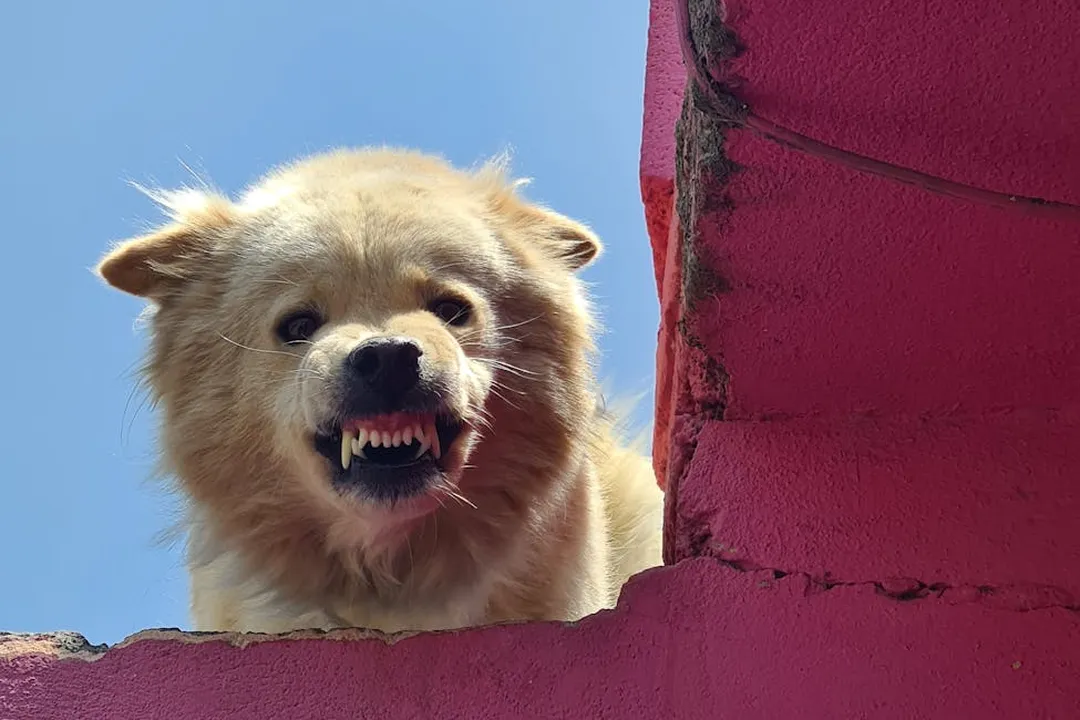
Approaching your neighbor directly is almost always the best first step. A calm, friendly conversation can resolve the issue quickly and preserve a positive relationship, which is invaluable when you live side-by-side. Assume they may be unaware of the problem their pet is causing.
- Step 1: Choose a good time and place for a calm discussion.
- Step 2: Use “I” statements to describe the problem’s impact on you.
- Step 3: Propose practical solutions (e.g., better containment, supervision).
- Step 4: Suggest working together to find a resolution.
Knock on their door at a peaceful moment, not while the dog is mid-bark. Frame the issue around your experience by saying, “I have trouble concentrating when the barking goes on for a long time,” instead of, “Your dog is too loud.” Come prepared with a simple suggestion, like a recommended bark-control device or an offer to share contact info for times when the noise becomes disruptive. This shows you want to be a partner, not an adversary.
Formally Report the Issue to Your HOA
When informal chats with your neighbor don’t resolve the pet problem, it’s time to bring in the formal authority. Your HOA exists to enforce the community’s governing documents and maintain a peaceful environment for all residents. This official step creates a documented record of your complaint, which is vital if the issue escalates. To handle disputes with your HOA effectively, follow the formal process and keep thorough records. This helps ensure your concerns are heard and resolved.
How to File an Effective Complaint
To ensure your complaint is taken seriously and acted upon, follow these steps for a professional submission.
- Review Your Governing Documents: Before you do anything, find your copy of the CC&Rs, bylaws, and rules. Look for specific pet clauses related to noise, leash requirements, waste cleanup, and the number of animals allowed per unit.
- Document Everything Meticulously: Start a log of incidents. For a barking dog, note the dates, times, and duration of the noise. For waste issues, take date-stamped photographs. This evidence transforms a subjective complaint into an objective report.
- Submit a Written Complaint: Send a formal, polite letter or email to your HOA board or property manager. Clearly state the nature of the problem, the specific rule being violated, and how it’s affecting your quiet enjoyment of your home. Attach your evidence log.
- Follow the HOA’s Procedure: Some associations have specific forms for violations. Check your community’s website or contact the management company to use the correct process from the start.
What to Expect After You Report
The HOA’s response will generally follow a standard procedure designed to be fair to all parties.
- The HOA will typically send a written notice of the violation to your neighbor, giving them a set period to correct the issue.
- If the problem continues, the HOA may issue fines according to the schedule outlined in your governing documents.
- In severe or ongoing cases, the HOA might schedule a hearing with the board to discuss the matter further before levying additional penalties.
When to Involve Animal Control or City Officials
Your HOA handles rule violations, but some situations involve public health and safety laws that are beyond the HOA’s jurisdiction. You should contact animal control or your local police non-emergency line if you witness aggressive, dangerous, or neglectful behavior from a pet. This is a separate path from your HOA complaint and addresses immediate community safety. If you suspect abuse or mismanagement by the HOA itself, you can report HOA abuse violations to the board or to local authorities. Keep records of incidents to support your report.
Here are clear scenarios where involving city officials is the appropriate course of action.
- An animal that is off-leash and aggressively charging or threatening people or other pets.
- Evidence of animal neglect or abuse, such as a pet left outside in extreme weather without adequate shelter or food.
- A pet that is repeatedly allowed to roam the neighborhood unsupervised, creating a traffic hazard or nuisance.
- Excessive noise that violates your city’s local noise ordinances, especially during late-night or early-morning quiet hours.
Always report these incidents directly to the proper municipal authority. For immediate threats, do not hesitate to call 911, but for ongoing issues, use the non-emergency number to file a report. Be prepared to provide the same kind of detailed documentation you gave to your HOA. Common HOA bylaw violations—such as noise, parking, or improper exterior changes—are typically handled through the HOA in parallel with municipal authorities. Coordinating with the HOA board can help ensure consistent enforcement of covenants.
Resolving Persistent Issues Through Mediation

When the conflict becomes a stubborn stalemate, even with HOA involvement, mediation offers a constructive way forward. Mediation is a voluntary and confidential process where a neutral third party helps you and your neighbor communicate to find a mutually acceptable solution. It’s far less adversarial and expensive than legal action and aims to preserve neighborly relations.
Many HOAs have relationships with professional mediators or community dispute resolution centers. You can suggest mediation to your neighbor or ask your HOA board if they can help facilitate or recommend a service as part of the HOA dispute resolution process. The goal is not to determine who is “right” or “wrong,” but to find a practical compromise that works for both households.
What Happens During Mediation?
Understanding the process can make it feel less intimidating. A typical mediation session is structured but conversational. To prepare for a successful mediation session, outline your goals and gather relevant documents. This helps you stay focused and participate constructively.
- Each party gets uninterrupted time to explain their perspective and concerns about the situation.
- The mediator asks questions to clarify the root issues and identify shared interests, like both wanting a peaceful home environment.
- Together, you brainstorm potential solutions. This could involve creating a specific dog-walking schedule, agreeing on “quiet hours” for a pet, or installing a privacy fence.
- If an agreement is reached, the mediator will help you put it in writing, creating a clear plan for both parties to follow moving forward.
Entering mediation with an open mind is the key to success. Come prepared with a few potential solutions you’d be willing to accept, showing your neighbor that you are genuinely seeking a fair resolution. This collaborative approach often resolves the deepest neighbor disputes more effectively than any fine or warning letter.
Handling Aggressive or Dangerous Pets
-
Step 1: Ensure your immediate safety and create physical boundaries. If a pet acts aggressively, move away calmly and avoid sudden movements. Creating distance is your best defense to prevent a potential attack. Use barriers like fences, gates, or even your car to separate yourself from the animal until help arrives.
-
Step 2: Report the animal immediately to animal control and your HOA. Call your local animal control agency with the pet’s description and location. Simultaneously, notify your HOA board so they can enforce community rules and alert other residents. Provide clear, factual information to ensure a prompt response from both authorities. Keep in mind that HOA pet restrictions and emotional support animal rules can vary by community. If your situation involves an ESA, review your HOA’s policy and any required documentation early to avoid conflicts.
-
Step 3: Document every aggressive incident with detail. Keep a log with dates, times, and specific behaviors, such as growling or charging. This detailed record becomes vital evidence if the situation escalates to legal action or HOA hearings. Include photos or videos if it is safe to do so, and note any witnesses.
-
Step 4: Understand the legal definitions of a “dangerous dog” in your area. Check your city or county ordinances online or contact local animal services. Knowing the legal criteria helps you frame your reports accurately and advocate for enforceable solutions. Definitions often include factors like bite history or repeated threatening behavior.
Preventing Future Pet Conflicts in Your Community

Proactive measures can reduce pet-related disputes and foster a safer neighborhood. Open communication and clear guidelines help everyone coexist peacefully with their animals. Start by discussing concerns respectfully with pet owners before issues become serious.
-
Review and update HOA pet policies regularly. Ensure rules cover leash requirements, noise control, and cleanup. Clear policies set expectations and give the board authority to address violations consistently. Enforcement should be fair and consistent, applying bylaws equally to all residents. This helps ensure enforcement is effective and trusted. Involve residents in the process to build community support.
-
Host community workshops on responsible pet ownership. Partner with local trainers or veterinarians to educate owners. These events promote positive habits and strengthen neighborly relationships. Topics might include socialization techniques or local wildlife safety.
-
Install pet-friendly amenities like designated play areas or waste stations. Providing dedicated spaces minimizes conflicts in shared common areas. This approach encourages compliance and shows the HOA values all residents’ needs.
-
Establish a pet incident reporting system through your HOA. Use a simple form or online portal for complaints. A structured process ensures reports are handled fairly and efficiently. This system helps track patterns and address recurring problems early.
FAQs
What should I do if my neighbor’s dog barks all night?
Begin by checking your HOA’s rules on noise and quiet hours to confirm a violation. If the barking persists, document each incident and consider reporting it to your HOA or local animal control for further action.
What local ordinances govern barking or nuisance pets?
Local ordinances are typically found on your city or county government’s website under animal control or noise regulations. These laws often define excessive barking as a nuisance and specify penalties, so review them to understand your rights and options.
Are there noise restriction times I should be aware of?
Most HOAs and municipalities enforce quiet hours, commonly from 10 PM to 7 AM, when noise should be minimized. Knowing these times helps you identify valid violations and report them accurately to the appropriate authority.
What should I include in a pet disturbance log?
Note the date, time, duration, and specific nature of each incident, such as loud barking or property damage. Including evidence like videos or witness contacts makes your log more credible and useful for HOA or city complaints.
Resolving Pet Issues Amicably in Your HOA
Begin by having a polite, direct conversation with your neighbor to address the pet problem before escalating it. If the issue continues, review your HOA’s specific rules and file a formal complaint to ensure a structured resolution process is followed.
Further Reading & Sources
- What Can I Do if My Neighbor’s Animals Are Creating a Problem? – FindLaw
- Neighborhood Dogs, Cats, and Other Pets
- What to Do If Your Neighbor’s Pet Keeps Coming Onto Your Property – RISMedia
- How can I keep my neighbor’s pet from coming into my yard
Brandon has been on both ends of HOA, as part of it, he has helped build his community in Oregon, while also helping other homeowners deal with typical and atypical issues one might face. He has 8+ years of experience dealing with HOAs himself and on behalf of his friends and family, and he brings his extensive expertise and knowledge to make your HOA interaction seamless and smooth.
Mediation Processes