
How to Prepare for a Successful Mediation Session
Published on: January 15, 2026 | Last Updated: January 15, 2026
Written By: Brandon Chatham
The key to a successful mediation is thorough preparation, which involves organizing your documents, clarifying your goals, and understanding the process beforehand. Walking in prepared transforms you from a reactive participant into a proactive problem-solver, dramatically increasing your chances of a favorable and lasting resolution.
You might wonder why preparation matters so much if a neutral mediator is running the session. A mediator facilitates the conversation, but they cannot advocate for your position or magically produce the information you need. Your preparation directly fuels the mediation, providing the substance and clarity required to build workable solutions. Being unprepared leaves you scrambling to recall details and weakens your ability to negotiate effectively.
This guide walks you through the exact steps to build your confidence and strategy before you even enter the room. You will learn how to gather the right evidence, set realistic goals, and master the communication techniques that lead to agreements. We will also cover common pitfalls to avoid, ensuring you are fully equipped to navigate the process and protect your interests.
Understanding the HOA Mediation Process
Mediation is a structured conversation guided by a neutral third party. Your goal is to reach a voluntary, mutually acceptable agreement without the cost and stress of a lawsuit. Think of the mediator as a facilitator, not a judge who decides who is right or wrong. This approach is often best when you want more control over the outcome, a quicker, confidential resolution, and lower costs than a lawsuit. It’s especially suitable when preserving relationships is important and you seek a collaborative path to settlement.
Key Participants in HOA Mediation
Knowing who will be in the room helps you prepare effectively. The core group typically includes:
- You (The Homeowner): You are the central voice for your interests and concerns.
- HOA Representatives: This often includes one or more board members and sometimes the property manager. Ensure the attendees have the authority to make decisions and settle the dispute.
- The Mediator: A trained professional who manages the process, encourages dialogue, and helps generate solutions.
- Legal Counsel (Optional): Either side may choose to bring an attorney for advice, though they may not always speak directly in the session.
The Mediation Timeline and Confidentiality
A typical mediation unfolds in distinct phases, offering a safe space for discussion.
- Opening Statements: The mediator explains the rules, and each party briefly outlines their perspective.
- Joint Session: Both parties discuss the issues together, with the mediator guiding the conversation.
- Private Caucuses: The mediator meets with each party separately to explore interests and potential solutions privately.
- Negotiation and Agreement: The mediator shuttles between parties to refine terms until a settlement is reached or impasse is declared.
Everything said during mediation is strictly confidential and cannot be used in court if the process fails. This protection encourages open and honest communication, which is vital for finding common ground.
Defining Your Mediation Goals and Interests
Walking into mediation without clear objectives is like driving without a destination. Distinguish between your positions (what you say you want) and your underlying interests (why you want it). For example, your position might be “I want to build a fence,” but your interest is “I need privacy and security for my children and dog.”
Clarifying Your BATNA and Settlement Range
Your BATNA, or Best Alternative To a Negotiated Agreement, is your plan if mediation completely fails. Knowing your BATNA—whether it’s going to court or simply dropping the issue—gives you powerful clarity on what a good settlement looks like. This matters when you compare mediation and arbitration. Mediation aims for an agreement, while arbitration delivers a binding decision. Your settlement range flows from this.
- Ideal Outcome: The best-case scenario you hope to achieve.
- Acceptable Settlement: A realistic resolution you would be willing to accept.
- Walk-Away Point: The terms that are worse than your BATNA, where you would end the mediation.
Gathering and Organizing Your Evidence
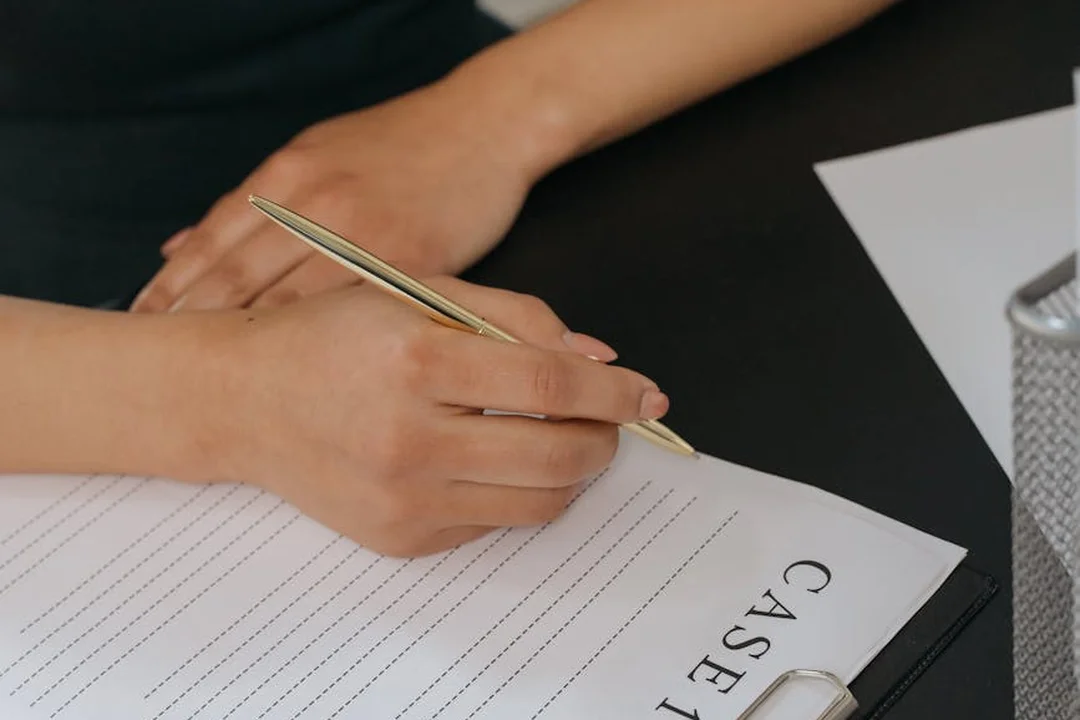
Facts and documentation are the foundation of a persuasive case. A well-organized file demonstrates that you are serious, prepared, and operating from a factual basis. This builds credibility with both the mediator and the HOA representatives.
Essential Documents for HOA Disputes
Your evidence packet should be thorough and easy to navigate. Create multiple copies for yourself, the mediator, and the HOA.
- Your HOA’s Covenants, Conditions, and Restrictions (CC&Rs), Bylaws, and Rules & Regulations.
- All relevant correspondence (emails, letters) with the HOA board, management company, or neighbors.
- Photographs or videos that clearly illustrate the issue from multiple angles and dates.
- Receipts, invoices, or estimates related to the dispute, such as repair quotes.
- Meeting minutes where the issue was discussed.
Preparing Witness Statements and Visual Aids
Sometimes, your own account needs support. A brief, written statement from a neutral witness who observed the situation can add significant weight to your claims. If a witness cannot attend, their signed statement can be submitted.
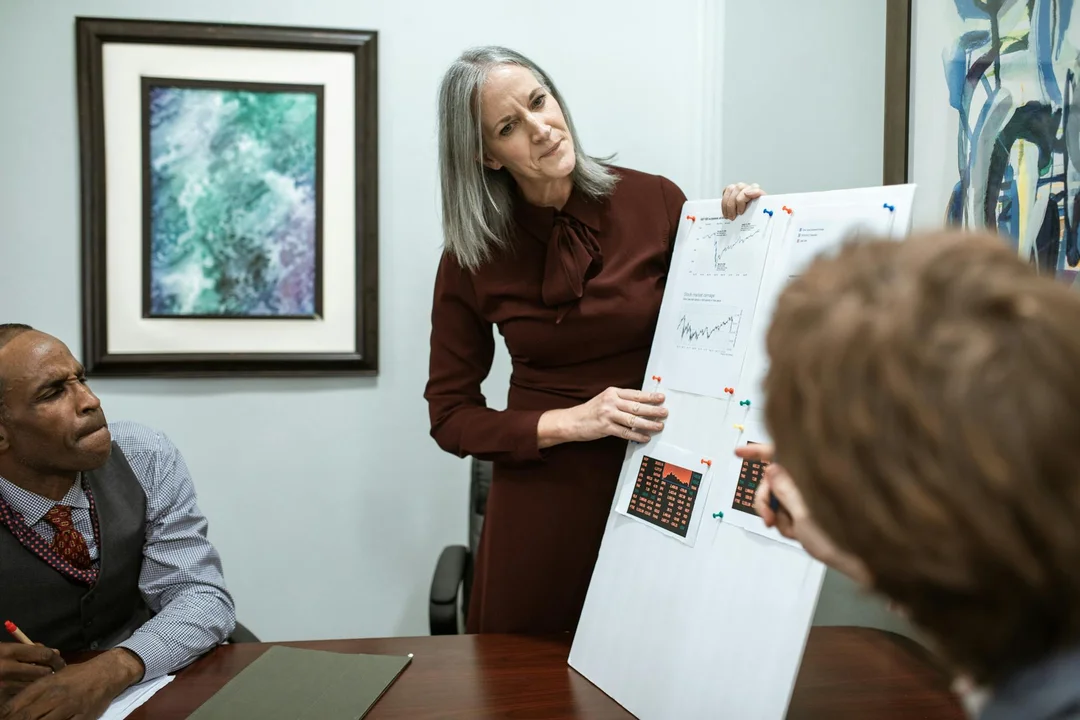
Visual aids transform abstract arguments into tangible proof. Create simple charts, timelines, or photo collages that summarize complex information at a glance. A side-by-side photo comparison showing a compliance issue can be far more effective than a long verbal description.
Developing Your Negotiation Strategy and Communication Plan
Creating a Flexible Negotiation Agenda
Think of your negotiation agenda as a roadmap, not a rigid set of commands. A well-prepared agenda keeps the conversation focused and productive, preventing it from spiraling into unproductive arguments. Start by listing your core issues in order of importance, separating your absolute needs from your desired compromises.
Your agenda should be a living document that you share with the mediator beforehand. Include points you know the other side will want to discuss, as this demonstrates your willingness to address their concerns head-on. This proactive approach builds credibility and shows you are negotiating in good faith.
- Identify your primary goal (e.g., resolving a specific rule violation).
- List secondary issues that are open for discussion (e.g., a payment plan for fines).
- Acknowledge the HOA’s likely priorities to show you understand their position.
- Leave space for new points that may arise during the mediation itself.
Role-Playing for Effective Communication
Practicing the conversation with a friend or family member is one of the most powerful preparation tools available. Role-playing different scenarios helps you anticipate counter-arguments and refine your responses without the pressure of the real session. You can practice staying calm when challenged and learn to articulate your points clearly.
Ask your practice partner to adopt the HOA board’s perspective, even if you disagree with it. This exercise forces you to listen to the other side’s potential reasoning, which is crucial for finding a middle ground. You will enter the actual mediation feeling more confident and less likely to be caught off guard. If you’re weighing arbitration vs mediation for HOA disputes, this mindset helps you prepare for either path. Mediation is often preferable for preserving relationships and facilitating voluntary compliance, while arbitration offers a binding, quicker decision.
- Practice stating your main point in one clear, concise sentence.
- Rehearse how you will respond if the board is dismissive of your concerns.
- Prepare neutral, open-ended questions to better understand the HOA’s limits.
- Focus on using “I” statements to express how the situation affects you personally.
Selecting a Mediator and Understanding Their Role
Choosing the right mediator is a critical step that can determine the entire outcome of your session. Look for a professional with specific experience in HOA and community dispute resolution, as they will understand the unique governing documents and dynamics at play. That expertise also helps you navigate property disputes within your HOA, including covenant interpretations and enforcement actions. It equips you to negotiate solutions that align with your HOA’s governing documents and community standards. Their expertise in property law and community management is invaluable.
The mediator’s job is not to take sides or decide who is right or wrong. A skilled mediator acts as a neutral facilitator, guiding the conversation to help both parties uncover a mutually acceptable solution. They manage the flow of dialogue, ensure each person is heard, and help translate positions into underlying interests. A skilled mediator possesses key skills necessary for effective mediation.
- Verify the mediator’s credentials and ask for references from past HOA cases.
- Confirm their style is facilitative, not evaluative, to keep the power in your hands.
- Discuss fees and logistics upfront so there are no surprises later.
- Ensure you feel comfortable with their communication style and approach.
What to Expect in Separate Caucus Sessions
Do not be alarmed if the mediator asks to speak with you and the HOA representatives separately; this is a standard and highly effective tactic. These private meetings, called caucuses, allow you to speak candidly with the mediator about your real bottom line and any concerns you are hesitant to share in open session. It is a safe space for honesty, especially when you want to voice your concerns effectively at an HOA meeting.
The mediator uses these sessions to test the viability of potential solutions and explore hidden obstacles. Information you share in a caucus is typically confidential, meaning the mediator cannot reveal it to the other side without your explicit permission. This confidentiality encourages the open exchange needed to break an impasse.
- Use the time to express fears or frustrations you held back in the joint session.
- Be prepared to discuss your true priorities and what you are genuinely willing to accept.
- Listen carefully to the mediator’s questions, as they may be hinting at a potential compromise from the other side.
- View the caucus as a strategic pause, not a sign that mediation is failing.
Emotional and Practical Preparation for Mediation Day
Setting Personal Boundaries and Maintaining Composure
Walking into mediation with a clear head is your greatest asset. Prepare for the session by getting a full night’s rest and eating a proper meal beforehand to maintain your energy and focus. You will be more articulate and less reactive when you are not tired or hungry.
Decide in advance what your core needs are and what you are willing to compromise on. Knowing your non-negotiable points ahead of time prevents you from making impulsive concessions you might regret later. Write these down on a notepad you can bring with you as a personal reminder.
Emotions can run high when discussing your home and community. If you feel yourself becoming upset or angry, practice a simple grounding technique like focusing on your breath or pressing your feet firmly into the floor. This can help you recenter without the other parties noticing.
Prepare neutral responses to use if the discussion becomes heated. Phrases like “I hear what you’re saying,” or “I need a moment to process that,” give you space to think without escalating the situation. You control your side of the conversation, even when others are frustrated.
Navigating Settlement and Post-Mediation Compliance
Reviewing and Signing the Settlement Agreement
If you reach a resolution, the mediator will help draft a settlement agreement. Do not feel pressured to sign anything on the spot if you have unanswered questions or need time to review the document thoroughly. A signed agreement is a legally binding contract.
Read every single line of the proposed agreement with extreme care. Look for specific details about who is responsible for what actions, the precise deadlines for completion, and any associated costs. Vague language like “as soon as possible” should be replaced with a concrete date.
You have the right to have the agreement reviewed by your own attorney before you sign. This is a critical step to ensure your rights are fully protected and the terms are enforceable under your state’s laws. The small cost of a legal review is minor compared to the potential expense of a flawed agreement.
Once signed, ensure you receive a final, executed copy from the mediator or the HOA’s representative. Keep this document in a safe place, as it is your official proof of the resolved issue and the new rules you must follow. You will need to refer to it to ensure you are in compliance. This marks the final step in the HOA dispute resolution process. It also clarifies the specific requirements you must follow moving forward.
Your responsibility does not end when you walk out of the mediation room. Adhere strictly to the timeline and obligations outlined in the settlement agreement to avoid restarting the entire conflict. Full and timely compliance is the only way to achieve a permanent resolution. For board members guiding a neighbor dispute, keep the agreement’s timelines front and center and document all follow-up actions. Your ongoing oversight helps prevent relapse into conflict.
FAQs
What should I include in my mediation preparation worksheet?
A mediation preparation worksheet helps you outline your goals, evidence, and discussion points in one organized document. Using a worksheet ensures you cover all critical aspects systematically and avoid missing key details during the session.
How does preparing for HOA mediation differ from other types of disputes?
HOA mediation requires a focus on specific governing documents like CC&Rs and bylaws, rather than personal or family matters. Your preparation must align with community rules and the collective interests of the association, not just individual preferences. It is crucial to understand HOA rules and regulations and why they matter.
What legal aspects should I consider when preparing for HOA mediation?
Review your state’s laws on mediation procedures and HOA regulations to ensure your approach is compliant. Understanding these legal frameworks helps you build a stronger case and avoid unenforceable agreements. This groundwork also supports mediation as a path to resolving HOA disputes.
What are the essential items to bring to the mediation session?
Bring multiple copies of your evidence, a written list of your goals, and any relevant HOA documents for quick reference. Having these materials ready demonstrates your preparedness and keeps the discussion focused and efficient.
You’re Ready for a Successful Mediation Session
Arrive fully prepared with your documents and a clear understanding of your goals. Your willingness to listen and collaborate is the most powerful tool you bring to the table.
Further Reading & Sources
- 9 tips on how to prepare for mediation
- Preparing Yourself for Mediation
- How to Prepare For A Mediation – Boston Bar Association
- Preparing for Mediation: A Resource for Advocates
Brandon has been on both ends of HOA, as part of it, he has helped build his community in Oregon, while also helping other homeowners deal with typical and atypical issues one might face. He has 8+ years of experience dealing with HOAs himself and on behalf of his friends and family, and he brings his extensive expertise and knowledge to make your HOA interaction seamless and smooth.
Mediation Processes